Dog ownership brings joy, companionship, and daily routines but dealing with dog poop in your backyard is one task many Long Island homeowners struggle with. Leaving pet waste unmanaged can quickly lead to unpleasant odors, health risks, and lawn damage. Knowing the right way to dispose of dog poop is essential for maintaining a clean, safe, and family-friendly outdoor space.
In suburban areas across Long Island, where homes often have private yards, responsible dog waste disposal is more than a convenience, it’s part of being a considerate neighbor and a responsible pet owner. This guide explains safe, legal, and effective ways to dispose of dog poop in your backyard while protecting your lawn, your health, and the local environment.
Why Proper Dog Poop Disposal Matters for Your Backyard
Dog poop is not just an eyesore. It contains harmful bacteria, parasites, and pathogens that can linger in soil long after the waste is gone. When left on the lawn, dog feces can spread organisms such as E. coli, roundworms, and giardia, which pose risks to children, pets, and adults who use the yard.
In Long Island’s climate, rain and irrigation can wash dog waste residue into storm drains and groundwater. This contributes to environmental pollution and can impact local water systems. Proper dog poop disposal helps protect not only your property but also the broader Long Island ecosystem and community health.
Is It Illegal to Leave Dog Poop in Your Backyard in Long Island, NY?
While laws typically focus on public spaces, leaving dog poop unattended in your backyard can still cause issues, especially in residential neighborhoods and HOA-regulated communities. Local sanitation codes and nuisance laws in Nassau and Suffolk Counties emphasize maintaining clean, odor-free properties that do not impact neighbors.
Even if not strictly illegal in every case, allowing dog waste to accumulate can lead to complaints, pest problems, and potential fines under local nuisance regulations. Responsible dog waste removal is considered a best practice for Long Island homeowners who want to avoid conflicts and maintain property value.
Common Backyard Dog Poop Disposal Methods (Pros and Cons)
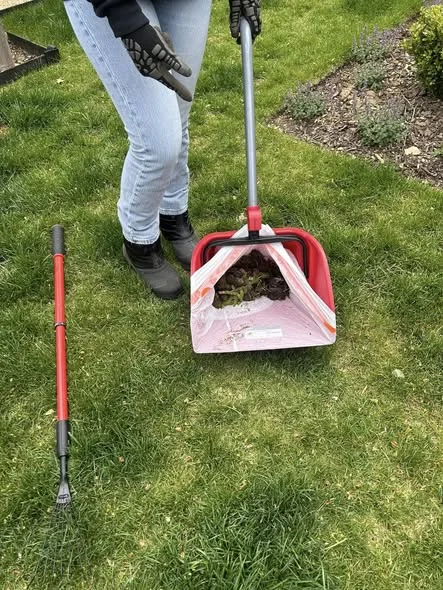
Many dog owners rely on basic disposal methods, such as picking up waste and throwing it in the trash. When done correctly, this can be effective, but it requires consistency and proper sealing to prevent odors and bacteria buildup. Using strong, leak-proof, or biodegradable dog waste bags is critical for hygiene and odor control.
Other homeowners use outdoor pet waste bins, which can help contain smells if emptied regularly. However, these solutions still require time, effort, and ongoing maintenance. Without a routine, waste piles up quickly, especially in multi-dog households common across Long Island.
The most common disposal methods include:
- Bagging dog poop and placing it in a sealed household trash container
- Using a dedicated outdoor pet waste bin that is emptied frequently
Can You Bury Dog Poop in Your Backyard? What Experts Say
Burying dog poop may seem like a natural solution, but experts strongly advise against it. Dog waste does not break down like manure from herbivores. Instead, it can leave harmful pathogens in the soil for months, contaminating areas where children play or gardens grow.
In Long Island’s dense suburban yards, buried dog poop often resurfaces due to rain, lawn care, or soil movement. This creates health hazards and unpleasant odors over time. From a professional dog waste removal standpoint, burying dog poop is neither safe nor environmentally responsible.
Composting Dog Poop: Is It Safe for Homeowners?
Dog poop composting is a topic that often causes confusion. While specialized pet waste composting systems exist, they are not the same as regular backyard compost bins. Improper composting can spread bacteria and parasites rather than neutralize them.
For most Long Island homeowners, dog poop composting is not recommended unless done using a dedicated system designed specifically for pet waste and kept far away from edible plants. Even then, the compost should never be used on gardens or lawns where people and pets have contact.
How Often Should You Remove Dog Poop from Your Backyard?
Consistency is one of the most important factors in effective dog waste management. Ideally, dog poop should be removed daily or at least several times per week. Frequent removal prevents odors, discourages flies and rodents, and protects lawn health.
In Long Island, seasonal changes also play a role. Warmer months increase bacterial growth and odor, while snow can hide waste that resurfaces later. A regular removal schedule ensures your yard stays clean year-round, regardless of weather conditions.
The Cleanest and Hassle-Free Solution: Professional Dog Waste Removal
For many homeowners, the most effective solution is hiring a professional dog waste removal service. Professional services eliminate the hassle, health risks, and time commitment associated with regular cleanup. This is especially valuable for busy families, elderly homeowners, and multi-dog households.
Long Island Dog Waste Removal provides reliable, scheduled dog poop pickup services designed specifically for Long Island properties. With professional tools, proper disposal practices, and consistent service, homeowners enjoy a clean, odor-free backyard without lifting a finger.
Why Homeowners Trust Long Island Dog Waste Removal
Local experience matters when it comes to dog waste removal. Long Island Dog Waste Removal understands the unique needs of Long Island neighborhoods, property sizes, and seasonal challenges. This local expertise ensures reliable service that aligns with community standards and expectations.
Homeowners trust Long Island Dog Waste Removal because the service is consistent, hygienic, and designed for long-term backyard cleanliness. By focusing solely on pet waste removal, the company delivers specialized care that general lawn services often overlook.
FAQs About Disposing of Dog Poop in Your Backyard
Is dog poop bad for grass?
Yes. Dog poop contains high levels of nitrogen and bacteria that can burn grass, create dead patches, and damage soil quality over time.
Can dog poop attract pests in my backyard?
Absolutely. Unremoved dog waste attracts flies, rodents, and other pests that can spread bacteria and become a nuisance.
Is flushing dog poop down the toilet safe?
Only if the waste is flushed without bags and local plumbing codes allow it. Most homeowners prefer safer disposal methods to avoid plumbing issues.
What is the most eco-friendly way to dispose of dog poop?
Using biodegradable bags combined with professional dog waste removal services is one of the safest and most environmentally responsible options for Long Island homeowners.
Conclusion: Keep Your Backyard Clean, Safe, and Stress-Free
Knowing how to dispose of dog poop in your backyard properly is essential for maintaining a healthy home environment. From health concerns to local regulations and environmental impact, responsible dog waste disposal benefits your family, your pets, and your community.
While basic methods can work, they require time and consistency. For homeowners who want a truly clean and hassle-free solution, professional dog waste removal is the smartest choice. Long Island Dog Waste Removal helps Long Island residents enjoy clean backyards without the stress, odors, or health risks, so you can focus on enjoying your home and your pets with peace of mind.